
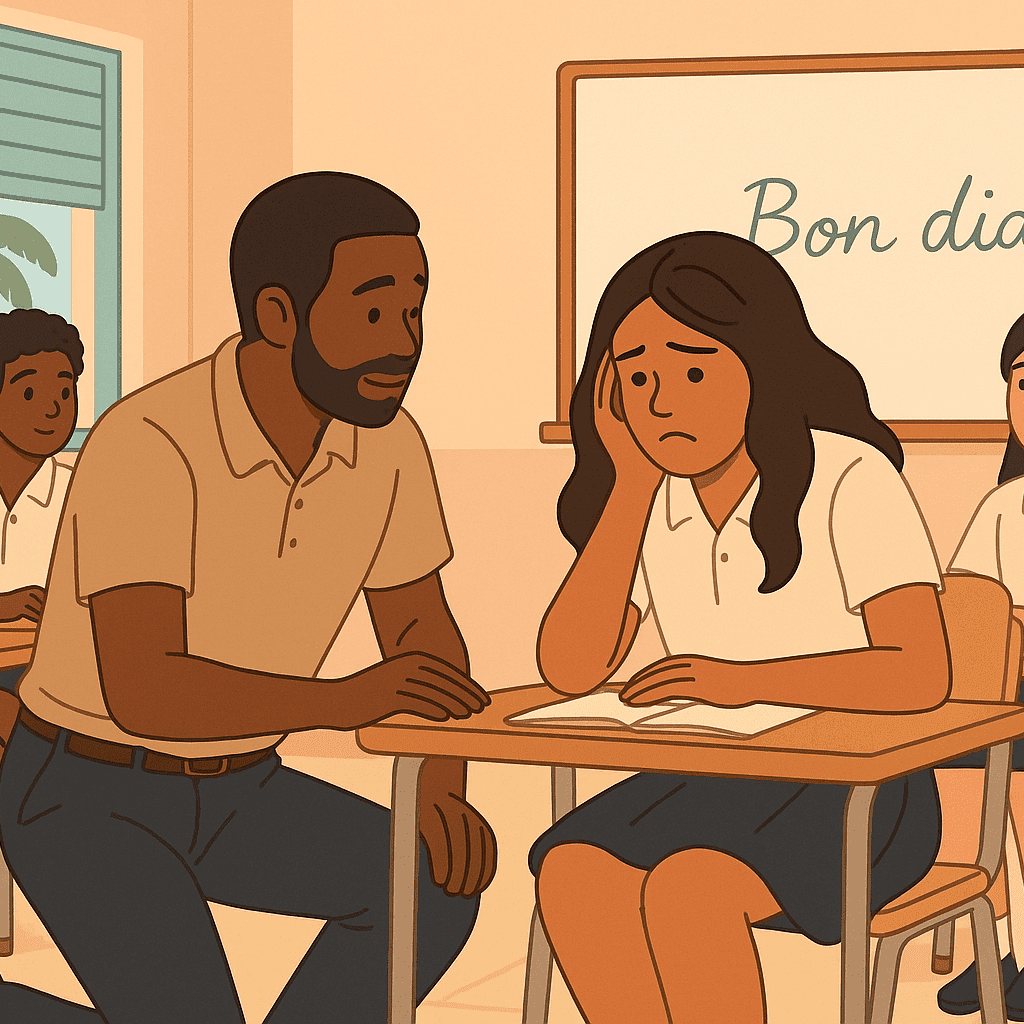
How to offer flexibility when a student is struggling
Sometimes you can really help a struggling student by offering them some flexibility. This does NOT mean ignoring responsibilities or lowering expectations.
Flexibility means making small, temporary adjustments that help school feel more manageable while a student is going through a difficult period or struggling with a specific issue. These adjustments can reduce stress and help students stay connected to learning, instead of feeling overwhelmed or giving up.
Why flexibility helps
When students are overwhelmed, anxious or emotionally drained, their ability to concentrate, remember information and regulate behaviour can be reduced. Flexibility helps by:
- Lowering immediate pressure
- Increasing a sense of safety
- Helping students stay connected to school
- Preventing disengagement or shutdown
- Feeling seen can decrease stress
How to apply & evaluate
Flexibility works best when it is intentional and temporary. Here is a simple way to use it thoughtfully:
- Choose one small adjustment Don't change everything at once. Pick one flexibility idea that fits the student and your classroom.
- Explain it to the student Let them know what you’re changing, for how long and what you still expect from them.
- Try it for a short period
- Check in and reflect together Ask: ‘Did this help you?’, ‘What feels easier?’ and ‘What still feels hard?’
- Decide what’s next You can keep it for longer, adjust it, slowly return to normal or involve support staff if needed.