Help someone as a teacher
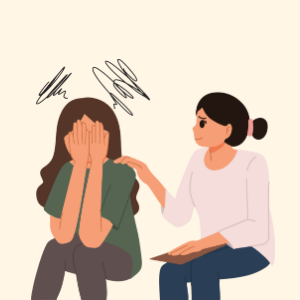
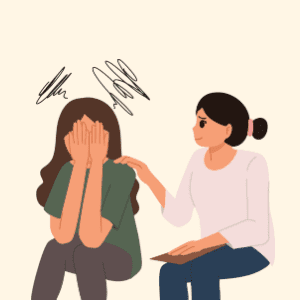
As an educator, teacher or school staff member, you may be able to notice when a student is not doing well before others do. You see them regularly, you can notice changes in behaviour, and you might be a trusted adult in their life.
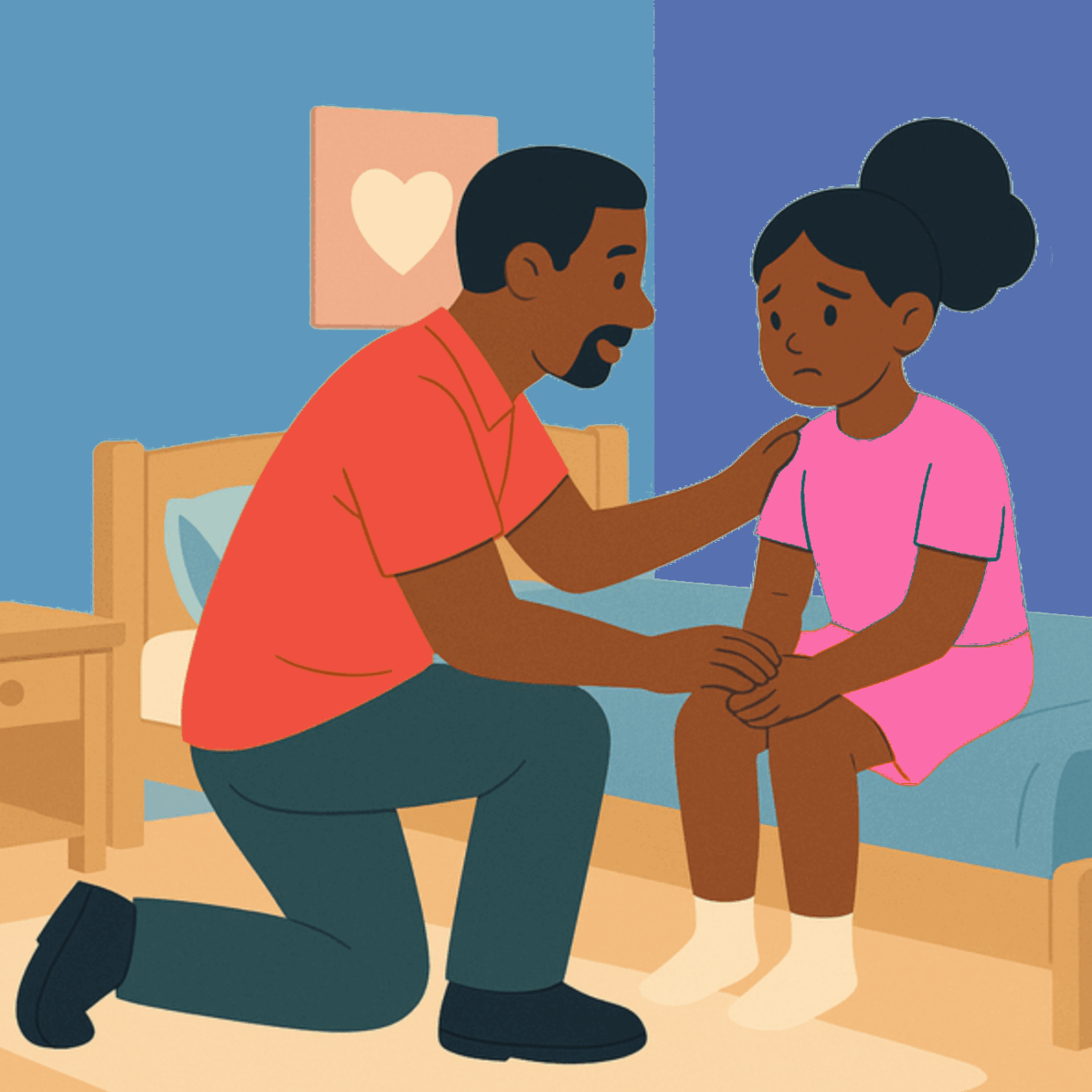
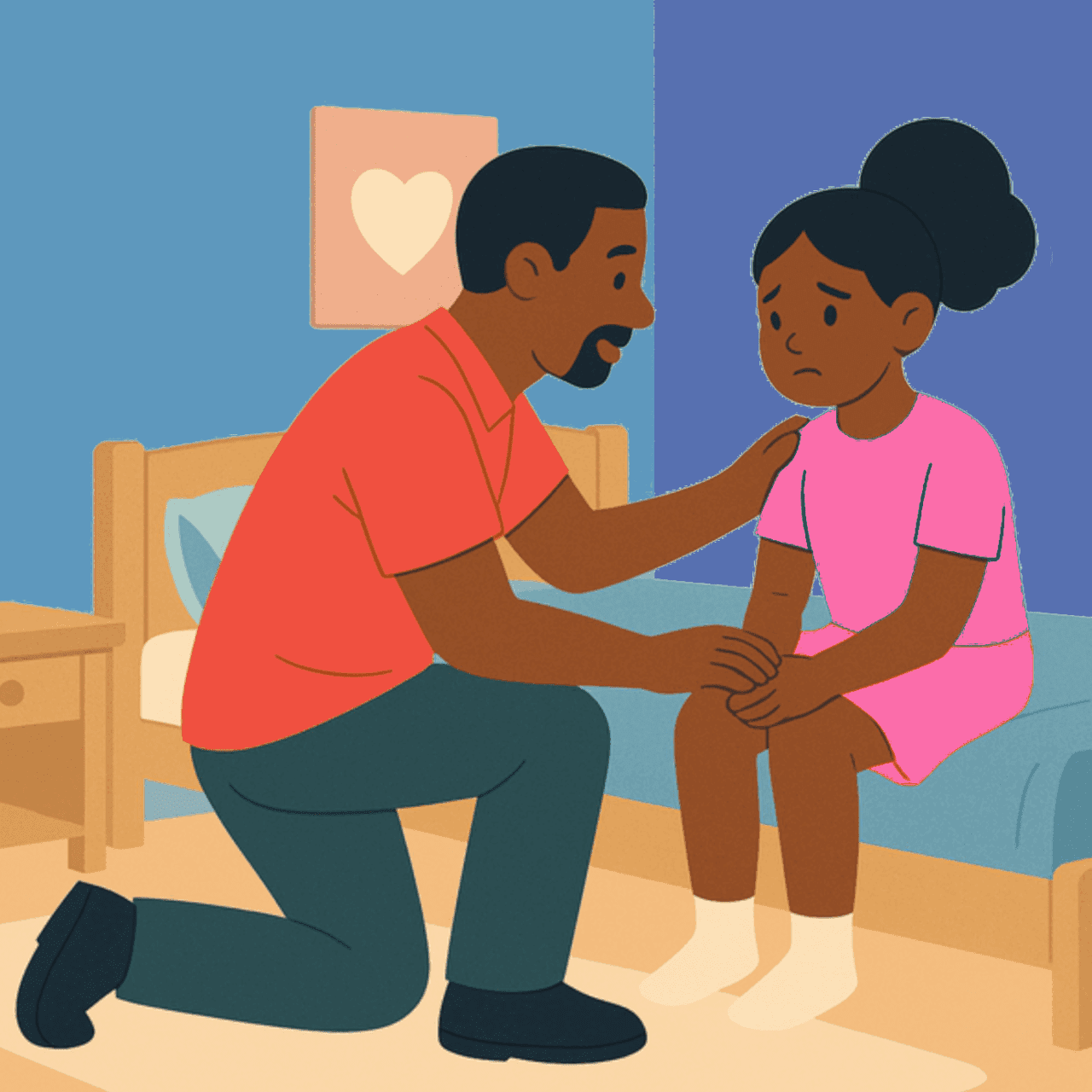
Sometimes students don’t have the space to talk at home or don’t feel seen and heard. What if you could help, even just a little bit? You don’t need to have all the answers. Paying attention, being approachable and showing care can already make a big difference.
How to know a student might be struggling
Sometimes the signs are clear, sometimes they are subtle or hardly noticeable. Mental health struggles don’t always look the same.
Behaviours to look out for:
- Becoming more withdrawn, quiet or isolated
- Sudden changes in behaviour, mood or energy
- Difficulty concentrating or a drop in school performance
- Irritability, anger or emotional outbursts
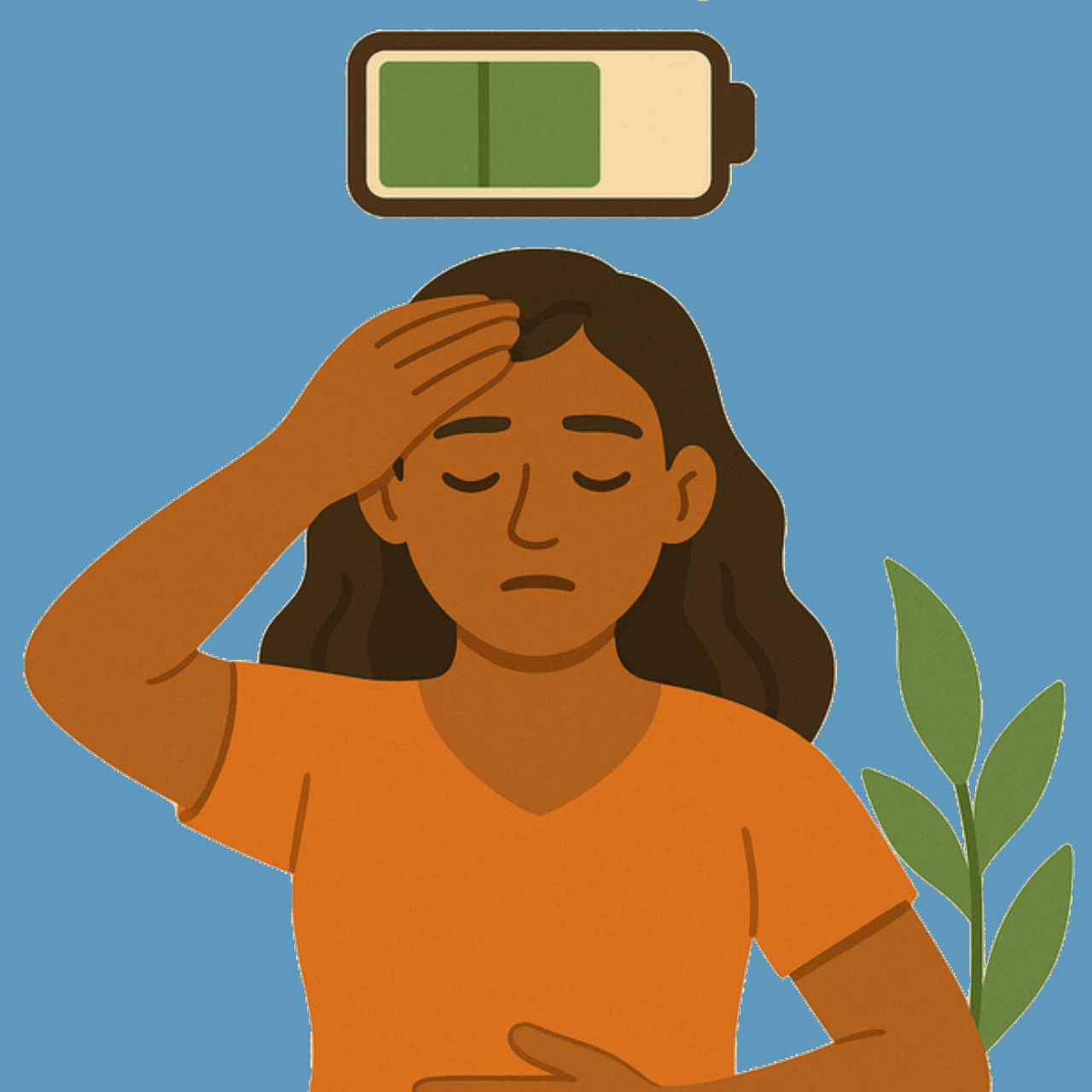
- Tiredness, frequent headaches or stomach aches
- Avoiding school, classes or certain situations
Situations to look out for (that may increase vulnerability)
- Problems at home or family conflict
- Bullying or social exclusion
- Academic pressure or fear of failure
- Major life changes or loss
What to do if you're worries about a student
- Let them know you’ve noticed
A gentle check-in can open the door:
– ‘I’ve noticed you seem a bit quieter lately. Are you okay?’
– ‘You don’t seem like yourself. How are you doing?. - Don’t force the conversation
A student may not be ready to talk. That’s okay. Let them know you’re available when they are ready. - Keep things normal
Try not to single them out or treat them very differently. Feeling ‘different’ can increase shame or isolation. - Offer practical support
– Offer flexibility without lowering standards (read here how to do this)
– Connecting them with a recourse that can help them (recourse knop)
– Checking in again later
How to start the conversation
- Choose the right moment
– Pick a calm, private setting. If other students can overhear, it may affect the student’s sense of safety or privacy.
– Avoid busy or stressful moments
– Try to take enough time. Sometimes this is very difficult, because school gets busy. If you cannot make time at that moment, let them know clearly you want to continue the conversation later, and take initiative to follow up. This shows you genuinely care. - Let them lead
– Let them decide how much they want to share. They might not be ready to tell you things in detail. You don’t have to get there in the first conversation. Building trust takes time.
– Don’t push for details. The details are often not the most important part. Ask yourself: why do I really want to know this? Sometimes it can come from curiosity rather than necessity.
– Leave space for silence. Silence can feel uncomfortable, but it often gives a student time to think and feel safe enough to continue. - Listen more than you speak
– You don’t have to fix anything. Just listen. Feeling heard can already reduce stress. Learn more on how to listen properly: (knop naar hoe je goed moet luisteren)
– Avoid diagnosing or labelling. This is not your role and may make a student feel misunderstood.
– Reflect back what you hear with empathy: “It sounds like this has been really heavy for you.” - Ask open-ended questions
– Avoid “why” questions. This can feel like blaming or confronting.
– Avoid yes or no questions. These can unintentionally shut down the conversation.
– Try: ‘How have things been lately?’ or ‘What’s been the hardest at school for you? - Be clear about what you can offer in your position.
– You are not a therapist. You can listen, care, and support, but you cannot diagnose, coach or provide therapy.
– Avoid making promises you may not be able to keep, especially about secrecy.
– Let them know that you will respect their privacy as much as possible, but that you may need when to involve others if safety is a concern.
– Let them know this gently, so they know what to expect from you. - Reassure them
– Let them know they are not a problem
– Thank them for trusting you
– Remind them they’re not alone - Show them resources
– SafePlace4.me offers information about all the different topics on mental health and resources available on the island
– 918 is a local helpline for youth that they can chat with
– 113.nl/chatten is a Dutch helpline for suicide prevention, but is available 24/7 to chat in dutch or english, so they can try this helpline when they need help at any time of the day
Know your role and limits
As an educator, you are not expected to be a therapist. Helping also means knowing when to involve others. It’s important to understand your limits and to know to involve others, and when NOT to.
Read about this here
Make sure you know what your school’s procedures are for support and safeguarding, even when situations feel unclear.
When a student doesn't want help
This can be difficult and frustrating. Remember it’s not personal, they may need time. Staying available matters. What you can do is:
- Remind them where support is available
- Encourage them to talk to another trusted adult
- Keep checking in gently. Even small moments of care count.
Looking after yourself
Supporting students can be emotionally demanding. Keep taking care of yourself by:
- Setting boundaries
- Sharing concerns with colleagues when appropriate
- If that’s not appropriate, talk to someone you trust outside of school, while keeping the students’ information private.
- Debriefing after heavy situations
- Taking your own wellbeing seriously. You can only support others when you are okay yourself.
You don’t have to support your students perfectly. The fact that you’re here shows you care. Thank you for learning more on how to support your students.