
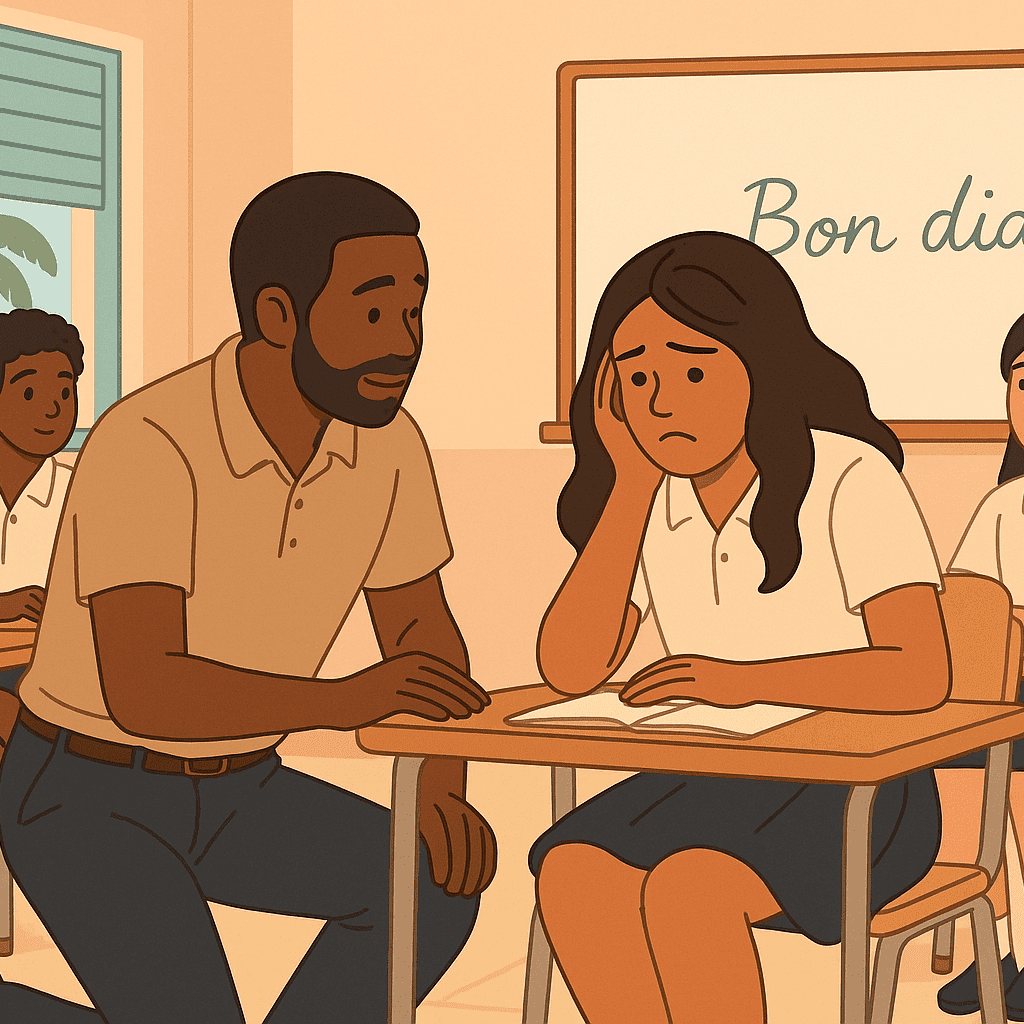
How to offer flexibility when a student is struggling
Sometimes you can really help a struggling student by offering them some flexibility. This does NOT mean ignoring responsibilities or lowering expectations.
Flexibility means making small, temporary adjustments that help school feel more manageable while a student is going through a difficult period or struggling with a specific issue. These adjustments can reduce stress and help students stay connected to learning, instead of feeling overwhelmed or giving up.
Why flexibility helps
When students are overwhelmed, anxious or emotionally drained, their ability to concentrate, remember information and regulate behaviour can be reduced. Flexibility helps by:
- Lowering immediate pressure
- Increasing a sense of safety
- Helping students stay connected to school
- Preventing disengagement or shutdown
- Feeling seen can decrease stress
How to apply & evaluate
Flexibility works best when it is intentional and temporary. Here is a simple way to use it thoughtfully:
- Choose one small adjustment Don't change everything at once. Pick one flexibility idea that fits the student and your classroom.
- Explain it to the student Let them know what you’re changing, for how long and what you still expect from them.
- Try it for a short period
- Check in and reflect together Ask: ‘Did this help you?’, ‘What feels easier?’ and ‘What still feels hard?’
- Decide what’s next You can keep it for longer, adjust it, slowly return to normal or involve support staff if needed.
Types of flexibility
Flexibility with time
This can help students who:
- feel overwhelmed or stressed
- feel rushed or pressured by deadlines
- are having issues with concentration
- get stuck when they have to work fast
- are mentally tired
- are anxious about finishing on time
- are behind due to things happening outside of school
How to:
- Give extra time for assignments or tests
- Split deadlines
- Work in time blocks
- Allow work to be handed in over several days
- Offer a later moment to continue
Important:
- Adjust the pace, not the goal
- Agree with your student to check in and reflect
Flexibility in task and workload
This can help students who:
- have low energy
- have trouble starting
- are falling behind due to distress
- feel exhausted
- feel emotionally drained
- feel overwhelmed by the amount of work
- are behind on tasks
How to:
- Prioritize essentials (must-do) vs. extras (nice-to-do)
- Reduce quantity, keep learning goal
- Offer a minimum requirement first
- Spread work across the week
- Focus on progress rather than perfection
Important:
- Keep the learning goal clear and reachable, but see what can be skipped to still get those goals.
Flexibility in participation
This can help students who:
- feel anxious about speaking publicly
- are socially overwhelmed
How to:
- Let them listen instead of speak
- Reduce pressure to participate publicly
- Offer written answers instead of speaking
- Offer one-on-one check-ins
- Small groups instead of group discussions
Important:
- Avoid permanent opting out
- Supporting them to slowly re-engage
Flexibility in predictability and routine
This can help students who:
- feel anxious when they don’t know what’s coming
- get stressed by sudden changes
- struggle with unclear instructions
- need structure to feel safe
How to:
- Write the lesson plan on the board
- Explain what will happen next
- Give warnings before transitions
- Give instructions step by step
- Let them know about changes in advance
Important:
- Predictability can help students feel safer and more in control
Flexibility in environment
This can help students who:
- feel overstimulated
- get distracted easily
- feel emotionally overwhelmed
How to:
- Allow flexible seating
- Offer a calm corner
- Allow short time outside the classroom
Important:
- Keep it discreet so they don’t feel singled out
Flexibility in reset breaks (calming moments)
This can help students who:
- feel emotionally overwhelmed
- close to exploding or shutting down
How to:
- Short water break
- Two slow breaths together
- Short walk with permission
- Sit in a calm space
Important:
- This is support, not punishment
Flexibility in communication
This can help students who:
- find talking difficult
- shut down in conversations
- feel pressured when questioned
How to:
- Let them write instead of talk
- Ask: ‘Do you want to talk now or later?’
- Use a scale (1 to 5) to ask how they’re feeling
Important:
- Don’t force sharing