
An introduction to neurodivergency
⚠️Trigger warning: This post briefly mentions suicidal thoughts and mental health struggles. If you’re in crisis, please reach out for help. In Curaçao, you can call 918 (the children and youth helpline) or 911 for emergencies. Remember: You are not alone!
Neurodivergent is a word to describe brains that think, feel, and process the world differently. It includes ADHD, Autism, Dyslexia & Dyscalculia, and many other ways of being. For years, I thought the way my brain worked meant I was more than just weird, I was “wrong” or even “broken”. I certainly didn’t know there were so many other people like me, and especially not that there was absolutely nothing “wrong” with me. Like, at all!
When I finally received my autism diagnosis (I also have ADHD and am dyslexic btw), it changed everything. Through my diagnosis, therapy has given me language to understand myself. I unlearned toxic coping mechanisms and am learning tools to live in a way that feels natural instead of forced (a.k.a. masked), and I am also learning to have compassion for the kid I used to be…
Looking back, I wish someone had told me these things earlier. So here are some truths I’ve learned: the things I wish I knew before my diagnosis. These are especially helpful if you are just starting out on your journey or are supporting someone on theirs.
1. You’ll finally (start to) understand yourself
All the “Why am I like this?” questions that haunted me for so many years suddenly had answers; my quirks, my challenges, and even my strengths all started to make sense in a way they never had before. Understanding how your brain works is like finding the manual you didn’t know existed or that you even needed. It’s not about putting yourself in a box, but rather about seeing the whole picture and realizing you were never “too much” or “not enough”
2. Self-love becomes possible
For a long time, I tried to force myself into spaces and places that weren’t mine to be in. I thought being “good” meant being (or better said, acting) like everyone else. My diagnosis gave me permission to start being kind to myself. When you understand your braind, you learn to treat yourself with patience, grace, and even admiration. You stop fighting who you are and start to nurture it.
3. You’ll stop needing to “fix” yourself.
Before my diagnosis, I tried to self-medicate to overcompensate and try to appear “normal”. It was exhausting. Understanding how my brain functions permitted me to drop the mask and made it possible to no longer feel broken, and to feel human instead. That shift from “fixing” to “accepting” and later on even embracing has brought me a kind of freedom that is difficult to describe until you feel it for yourself.
4. Your mental health may improve in ways you didn’t expect
This one is big for me. As someone who had multiple suicide attempts throughout my first 30-ish years, I didn’t realize how much of my pain came from feeling like an alien, misunderstood, and “wrong.” Once I understood that I am simply wired differently and not defective, my suicidal tendencies began to fade. No, they didn’t vanish overnight, but the self-hatred that fueled them lost its grip. Getting a diagnosis can literally save lives!
5. You will change.
While growth is a natural part of life, some people won’t understand and may drift away. But that now not only leaves space, but also creates space for people who will love and accept you as your full, authentic self. Change can feel scary, but it’s also a sign of healing. It’s the moment your old self sheds the skin that never fit, and makes space for your true self to emerge. And as someone who doesn’t really recognize the person they were five years ago, I swear it’s worth it 🙂
6. Your inner child will heal.
The parts of you that felt “too much” or “not enough” finally get the hug they’ve been waiting for. You begin to (re)parent yourself in the way you always needed, with gentleness and understanding.
7. Community is out there.
Finding other neurodivergent people, which can also be online, often feels like finding family. The loneliness starts to become less once you realize you were never really alone. Online spaces, Facebook groups, Reddit forums, and even casual friendships can become lifelines; proof that what makes you different is also an amazing point of connection.
Taking the next step (once you’re ready)
But what now? You’ve read this, and while it might sound great, it’s also incredibly scary and might be so far down the road from where you are right now. And that’s absolutely okay! If you suspect you might be neurodivergent, you don’t have to jump into a diagnosis right away. You can take your time. Start by learning. There are so many resources and good information available online these days, even on Tiktok or even Instagram, from licensed professionals who explain neurodivergence in clear, relatable ways.
That said, online tests and checklists can only take you so far (and kinda drive you crazy at one point too😅). The next step is talking to a professional, and, if you’re still a minor, that starts with having a conversation with an adult. Either your parent(s), a family member you trust, or even your class mentor (my school dean helped me a lot back in the day!). After that, you’ll have to get a referral from your general practitioner (huisarts) to go to the right specialist. It’s not always a psychiatrist, by the way, sometimes a neuropsychologist or psychologist can help you too. You just have to find someone who’s the right fit for YOU. I know it can be scary to bring up, even if you go to the doctor on your own it can be difficult to explain, but remember: asking for help is never a sign of weakness!
Some examples on how to start the conversation:
“I notice I have trouble focusing/remembering/keeping(or maintaining) routines, and I’d like to understand why.”
“I’ve been learning about neurodivergence, and I see myself in a lot of the descriptions. Can we talk about getting me tested?
“Sometimes I feel like my brain works differently than others. I’d like help with figuring out what exactly is going on…”
“I think I might be neurodivergent, could we possibly check with my doctor about getting me tested?”
“This isn’t about something being wrong with me mom/dad, it’s about me learning how to understand myself and the world around me better.”
Resources:
Yudaboyu (GGz)
Skuchami
Telefòn pa mucha i hóben: call 918 (it’s free!)
All in all, my (albeit late) diagnosis has been one of the best gifts I have ever received. It has been helping me grow into someone my younger self wouldn’t even recognise, but in the best way possible. Today my inner child, lil’ Titi, is happier than she’s ever been. And for that, I am endlessly grateful.
If you’re currently struggling or perhaps feeling hopeless right now, please talk to someone — a parent, a teacher, a counselor, or a trusted adult who can help you get the professional support you deserve. Even if it doesn’t always feel like the best thing in the moment, it will help down the road. Sometimes it’s hard right now, but later, you’ll be glad you reached out. Trust me, your story isn’t over yet, by far!
—
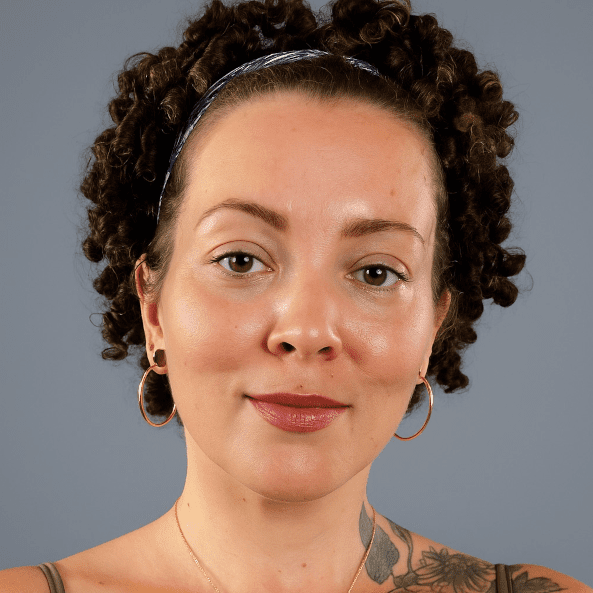
This article was written by Tittel Del Mar, a multidisciplinary artist and storyteller from Curaçao who writes and creates work about neurodivergence, identity, the beauty in the mundane, softness & healing, and is still learning to love her wonderfully wired brain.