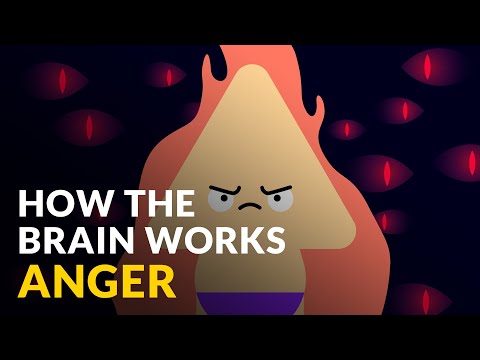
Anger
Anger is a normal emotion. It can show up when something feels unfair, when your boundaries are crossed, or when you feel hurt. Anger is not bad. It tells you that something needs attention. It can become a problem when it starts to control what you say or do.
Anger can be the first feeling you notice. Underneath there also may be hurt, fear, shame, sadness, stress or feeling rejected. Understanding what is really underneath your anger can help you respond to what you really need.
Anger
- Step away for a moment: even 5 minutes can help your brain reset. You can say: “I need a minute. I’ll come back when I’m calmer.”
- Breath slow & deep: 4 in, hold 4, 8 out. Repeat 10 times. Calms your nervous system fast. 5-4-3-2-1 grounding: notice 5 things you see, 4 touch, 3 hear, 2 smell, 1 taste.
- Move your body: walk, stretch, dance, shake out your arms, do push-ups or climb stairs. It helps release tension from the body.
- Talk to yourself differently: Try changing: “I’m going to explode” into “I can get through this”, “This feeling will pass”, or “I don't have to react right now.”
How do you recognize it?
Anger can look different for everyone. Some people shout or argue. Some people become quiet, cold or sarcastic. Others hide their anger and take it out on themselves.
In the angry moment, you may notice:
- Your heart beats faster
- Your breathing becomes quicker
- Your body feels hot
- Your muscles feel tense
- You clench your fists or jaw
- You want to shout, argue, walk away or slam something or react immediately Your thoughts become sharper, like “This is not fair” , “I can’t take this anymore.” or “They don’t respect me”
The earlier you notice these signs, the easier it is to pause before things get worse.
When you hold on to anger for a longer time, you may notice:
- You feel tense or restless, even when nothing big is happening
- You get irritated more quickly than usual
- Small things bother you more than they normally would
- You find it hard to relax
- You feel bitterness or resentment building up
- You keep replaying angry thoughts in your mind
- You become cold, distant or closed off
- You feel angry inside, but you do not know what to do with it.
When to get help
- Your anger feels overwhelming or hard to control
- You often shout, threaten, break things or scare people
- You hurt yourself or someone else when you are angry
- You feel like your anger is damaging your friendships, family, school or work
- You keep anger inside and feel tense, bitter or unable to relax
- You use alcohol, drugs or self-harm to deal with anger
- You feel ashamed or worried about what you might do when you are angry
- Your anger feels connected to stress, sadness, trauma, anxiety or depression.
Tips
- Pause before you react: Wait before you speak, text or act. Step away if you need to.
- Step away for a few minutes: Go to another room, take a short walk or pause the chat.
- Use “I” Statements: Say what you feel or need without attacking the other person: Try: “I felt hurt when…” or “I need space right now.”
- Write it, don’t send it yet: type the message, wait 10 minutes, then read it again, if you want to rewrite it. You can do this until the message feels right.
- Notice early warning signs: tight jaw, fast heartbeat, clenched fists, heat in your face. These signs tell you it is time to pause. (learn your early warning signs in exercises)
- Practice when you’re calm: try the exercises below before you really need them.
Exercises
TO CALM DOWN NOW
Muscle release Tense and relax each part of your body, from your feet to your face. Hold the tension for a few seconds, then let go.
SafePlace Visualization Picture yourself somewhere safe, like the beach, your bed, a quiet room or a game world. Notice what you see, hear and feel there. Stay there in your mind for a moment.
5-4-3-2-1 Grounding Use your senses to bring your attention back to the present moment. Name:
- 5 things you can see
- 4 things you can feel
- 3 things you can hear
- 2 things you can smell
- 1 thing you can taste
This can help when angry thoughts keep going in circles or when you feel close to reacting too fast.
TO UNDERSTAND YOUR ANGER BETTER
Make a time-out plan
Decide what you will do before anger gets too big. Finish these sentences:
- When I notice that I am getting angry, I will…
- A safe place I can go to is…
- A person I can message or call is…
- Something that helps my body calm down is….
- A sentence I can say is… (Like: “I need a few minutes. I’ll come back when I’m calmer.”)
Anger thermometer
Write down what you need at each level:
- 1-3: irritated
- 4-6: angry
- 7-8: close to snapping
- 9-10: unsafe or out of control
Keep this close (like on your phone) when you are mad so you can do what you wrote down. Example:
- At 4-6, I can take a break, breathe or go for a short walk
- At 7-8, I need to stop the conversation and move away
- At 9-10, I need to get help or: stop the conversation, move away from people and call or message someone you trust. If someone is in danger, call 912.
Trigger log
After you get angry, write down:
- What happened?
- What did I feel in my body? (like: tight jaw, fast heartbeat, clenched fists, heat in your face)
- What did I think?
- What did I do?
- What could I try next time?
- Noticing what happens at angry times can help you the next time you feel anger arising.
Look underneath the anger
Anger is often the first feeling you notice. But it can be connected to stress, fear, shame, sadness or feeling disrespected. After you calm down, ask yourself:
- What was I angry about?
- Did I also feel hurt, scared, ashamed, stressed, sad or rejected?
- What did I need at that moment?
- Is there something I need to say, change, or ask for?
Understanding what is underneath your anger can help you know what you need: space, rest, support, a boundary, an apology or a conversation later.