Anxiety
Anxiety is when you feel worried, nervous or scared about something that might happen. It can feel like your mind and body are trying to protect you from danger.
Sometimes anxiety is helpful. It can make you pay attention, prepare for something important or move away from real danger.
But anxiety can also become too much. This can happen when your body feels unsafe even when you are not in real danger, when worries keep coming back, or when it stops you from doing things that matter to you.
There are many different ways and reasons to experience anxiety. Check the related topics below to see if there’s one that is specifically relatable to you.
Try now
Breathe out slowly
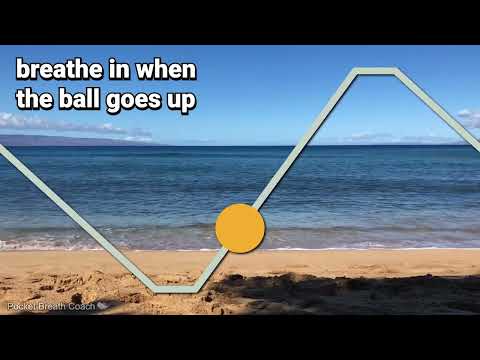
Breathe in gently, then breathe out slowly. Try to make your out-breath longer than your in-breath. Repeat this for a few minutes.
5-4-3-2-1 Grounding
Name 5 things you can see, 4 things you can feel, 3 things you can hear, 2 things you can smell and 1 thing you can taste.
Relax your body
Drop your shoulders. Unclench your jaw. Loosen your hands. Put both feet on the ground.
Name the worry
Ask yourself: “What am I afraid might happen?” Naming the worry can make it feel less confusing.
Take one small step
Choose one small thing you can do now, like opening your notebook, putting your phone away, asking for help, drinking water or moving to a calmer place.
How do you recognize it?
Anxiety can show up in different ways. Some people feel it mostly in their body. Others notice it as worrying thoughts, stress or avoiding things.
In the moment, you may notice:
- You heart beats faster
- Your breathing becomes quicker
- Your stomach feels right or upset
- Your chest feels heavy or tense
- You feel shaky, hot, cold or dizzy
- Your muscles feel tense
- You feel restless or on edge
- You find it hard to focus
- You feel like something bad might happen
In your thoughts, you may notice:
- “What if something goes wrong?”
- “What if people judge me?”
- “What if I fail?”
- “I can’t handle this.”
- “I need to be sure first.”
- You keep replaying situations in your mind
- You keep looking for reassurance
In your behaviour, you may notice:
- You avoid places, people or situations
- You delay things because they feel too stressful
- You cancel plans, even when you wanted to go
- You check things again and again
- You ask for reassurance again and again
- You feel stuck because you do not know where to start
When to get help
Having anxiety does not mean something is wrong with you. But it may be time to get support if anxiety happens often, feels too big, or stops you from doing things that matter to you.
It may help to talk to someone you trust, a school counselor, a doctor or a mental health professional if:
- Anxiety feels overwhelming or hard to control
- You feel anxious very often
- You avoid school, work, friends, family or activities because of anxiety
- You often have panic feelings or panic attacks (LINK)
- You cannot sleep, eat or focus because of worry
- You feel like anxiety is controlling your choices
- You use alcohol, drugs (LINK) or self-harm (LINK) to cope with anxiety
- Your anxiety feels connected to trauma, sadness, stress or feeling unsafe
- Your physical symptoms feel sever, unusual or scary
If you feel like you might hurt yourself or you are in immediate danger, call emergency services.
Tips
- Do not fight the feeling: Try saying: “This is anxiety. It feels uncomfortable, but it will pass.”
- Focus on what you can control: Ask yourself: “What can I do something about right now?” Then take one small step.
- Do not avoid everything: Avoiding can feel safe for a moment, but it can make anxiety stronger over time. Try taking small steps instead.
- Write the worry down: Putting it on paper can help get it out of your head.
- Help your body feel safer: too little sleep, skipped meals, too much caffeine or lots of screen time can make anxiety feel stronger. Rest, food and movement can help your body calm down.
- Talk to someone early: you do not have to wait until anxiety becomes too much.
Exercises
To calm down now
5-4-3-2-1 Grounding
Use your senses to bring your attention back to the present moment.
Name:
5 things you can see
4 things you can feel
3 things you can hear
2 things you can smell
1 thing you can taste
This can help your mind racing, your body feels tense, or everything feels like too much.
Slow breathing
Breathe in gently for 4 seconds. Breathe out slowly for 6 seconds. Repeat this for a few minutes.
Try to make your out-breath longer than your in-breath.
Body check
Notice where your body feels tense. Relax one part at a time: your jaw, shoulders, hands, stomach and legs.
Safe place visualization
Picture yourself somewhere safe, like the beach, your bed, a quiet room or a calm place in nature. Notice what you see, hear and feel there. Stay there in your mind for a moment.
To understand your anxiety better
Worry check
Write down:
- What am I worried will happen?
- How likely is this?
- What else could happen?
- What can I control?
- What is one small step I can take?
This can help you slow down your thoughts and see the worry more clearly.
Small step plan
Choose one thing you are avoiding because of anxiety. Break it into very small steps.
Example:
Step 1: Look at the assignment or situation
Step 2: Write down what feels scary
Step 3: ask someone to sit with you or help you start
Step 4: Try it for a short time
Small steps can help you build confidence without forcing yourself to do everything at once.
Anxiety check-in
- What happened?
- What did I feel in my body?
- What thoughts showed up?
- What did I do?
- What helped?
- What could I try next time?
Circle of control
- Draw two circles
- In the inner circle, write what you can control
- In the outer circle, write what you cannot control
Try to put your energy into the inner circle. This does not mean the outside circle does not matter. It means you are choosing where you energy can help most.