
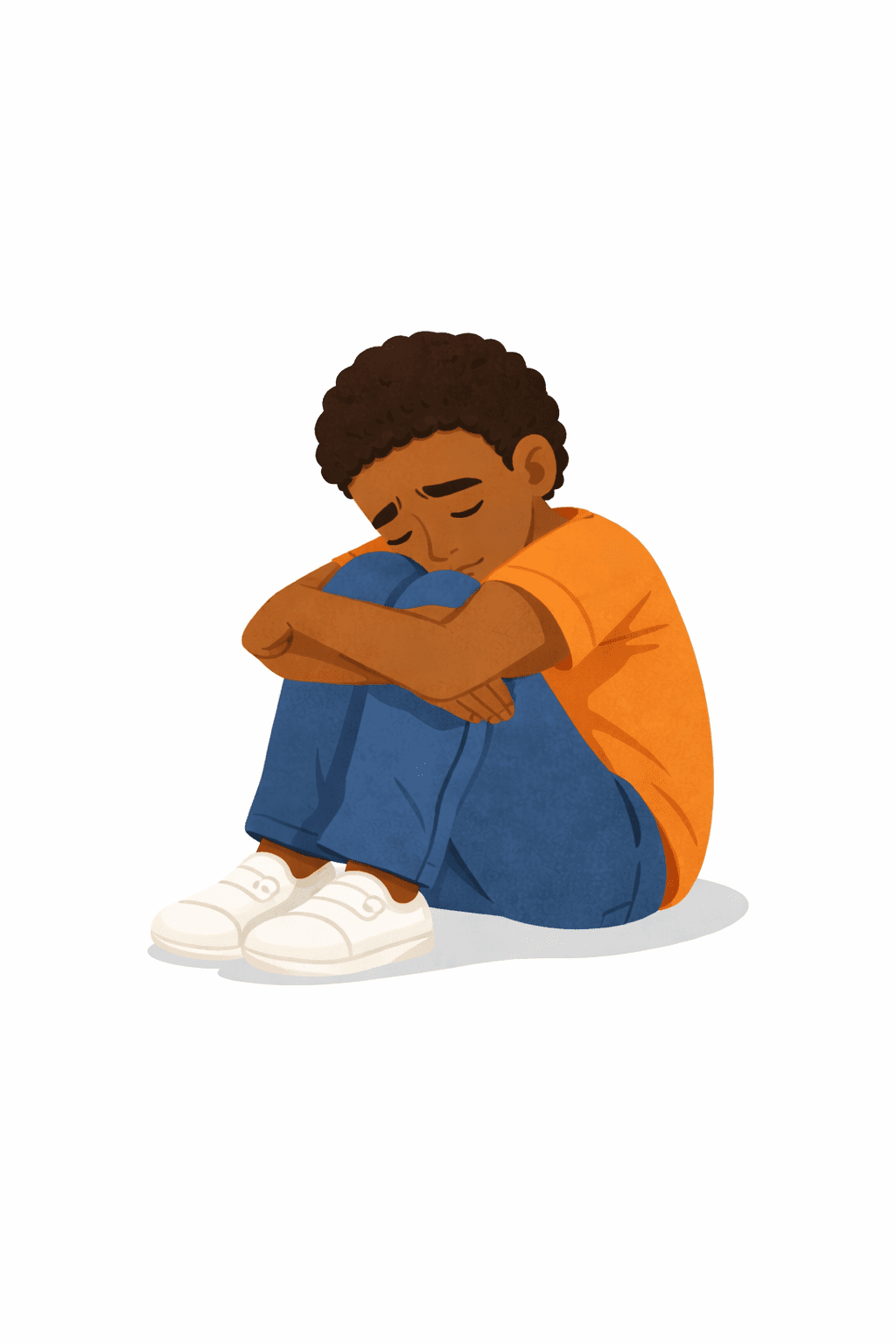
Depression
Depression can affect your mood, energy, sleep, motivation, and daily functioning. It is real, common, and treatable. Support, structure, and encouragement are really helpfull.
Try now
- Ground your body (1 minute): Put both feet on the floor. Name 5 things you can see, 4 things you can feel, 3 things you can hear. This helps your brain slow down.
- Use your breath (30 seconds) Breathe in through your nose for 4, out through your mouth for 6. Do this 3 times.
- Change position: Stand up, stretch your arms, or walk to another room. A small movement can shift heavy feelings
- Name the feeling: Say (out loud or in your head): “Right now I feel ___.”
Naming a feeling can already make it feel less overwhelming.
- One small comfort: Do one comforting thing now: drink water, hold something soft, step outside, or listen to one song.
- Reach out: Send a short message like: “Can you sit with me for a bit?” You don’t need to explain everything.
How do you recognize it?
(This is different for everyone)
Super common
- Low mood or sadness
- Difficulty enjoying activities
- Tiredness or low energy
- Trouble concentrating
Common
- Changes in appetite or weight
- Sleeping too much or too little
- Irritability or frustration
- Reduced motivation
Sometimes
- Feelings of worthlessness
- Thoughts of death
- Withdrawal from friends or family
- Physical complaints like stomachache or headache
When to go to the doctor?
- You lose interest in activities they usually enjoy.
- You have long‑lasting changes in mood, sleep, appetite, or school performance.
- You feel hopelessness or feel like you don’t want to live.
- Depression symptoms interfere with school, friendships, or home life.
This a a contribution of: PSI-Skuchami & SafePlace4.me
Tips
- Talk openly: express feelings where you don’t feel judgment.
- Create routine: A stable daily structure helps reduce feelings of stress.
- Break tasks into small steps: Small wins increase confidence.
- Stay connected: Support from family, friends, or community activities helps recovery.
Exercises
- Activity scheduling: Write down one enjoyable or calming activity to do each day.
- Gratitude list: List 1–3 good things daily (small things count).
- Goal setting: Define clear, achievable goals for the week.
- Positive self-talk: Encourage repeating simple supportive phrases like “I can handle this” or “I’m doing my best today.”