
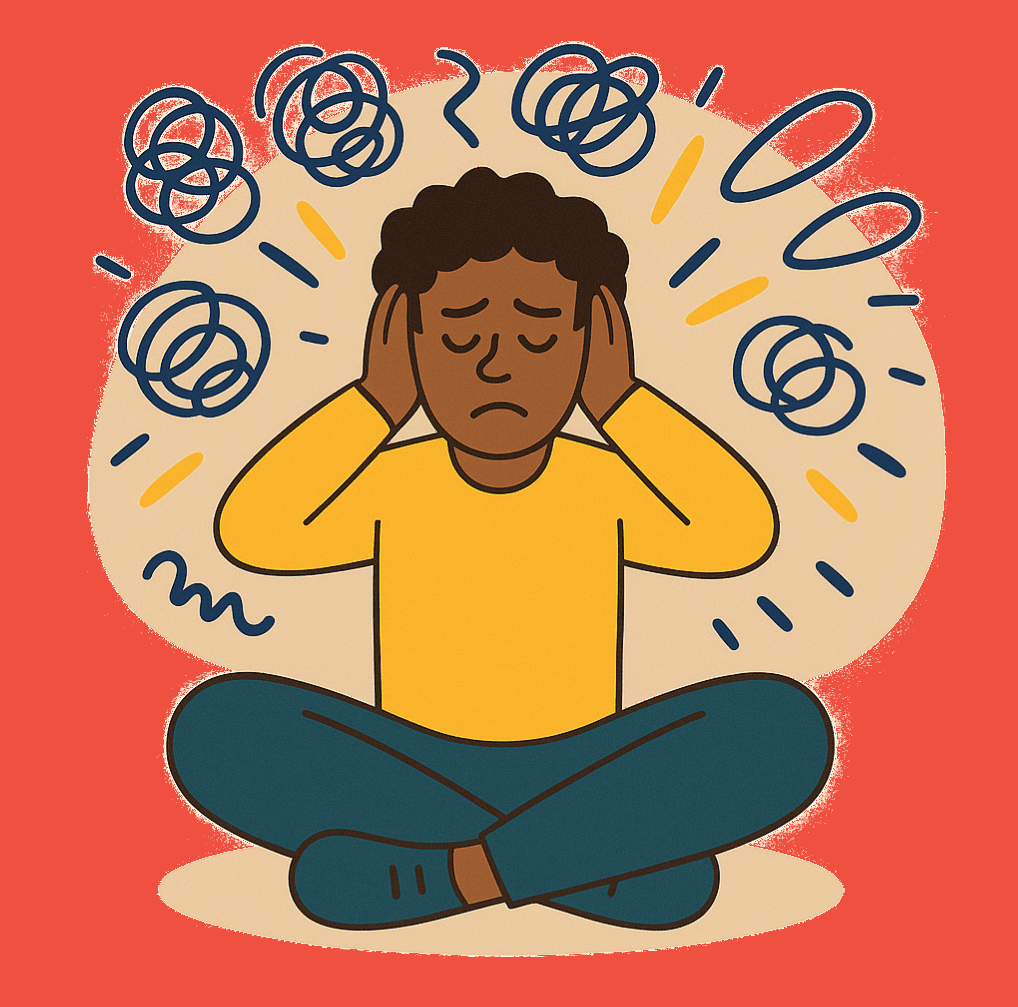
Neurodivergency
Neurodivergency means that your brain works a bit differently from what people call “typical”. It’s not something wrong: it’s just another way of being human. It means a different way of thinking, learning, moving or feeling. This can bring challenges and strength. There’s nothing wrong with being neurodivergent: understanding yourself can help you grow.
How do you recognize it?
Some neurodivergent people experience the things below, but many non-neuro-divergent people do too. These signs do not diagnose you: only a professional can do that.
- Trouble with schoolwork even while trying
- Feeling “different” socially
- Getting overwhelmed by noises, lights, or textures
- Big emotions or quick frustration
- Trouble focusing or getting started
- Difficulty with reading, writing, or math
- Feeling drained after socializing
- Needing routines to feel calm
- Being a bit clumsy or having motor skills challenges
- Very strong interest or hyperfocus
If these things happen a lot and make daily life harder, it could be worth exploring further with a trusted adult or professional.
Strengths in neurodivergency
- Creativity
- Problem-solving
- Honesty
- Intense focus
- Deep passion
- Unique perspectives
- Empathy
- Pattern recognition
- Original thinking
When to go to the doctor?
- School becomes extremely difficult
- You can’t function in daily life (sleep, concentration, overload)
- You feel anxious, sad, or overwhelmed a lot
- You need and want extra help at school, like more time on tests or special support (sometimes you need a doctor’s note of diagnosis for this)
- You have tics (small movement or sounds you can’t control) that are getting worse or hurt your body
- You get sensory overload, like loud sounds, bright light or strong smells that make it hard to keep going.
- You want to understand your brain better and why you do things the way you do them
Experiences
Seven Things I wish I knew before being diagnosed as neurodivergent
An introduction to neurodivergency
What I Wish I knew about the years I didn’t want to wake up
How understanding my brain helped me stop feeling broken and start wanting to be alive