Help someone as a friend
Supporting a friend with their mental health
It can be really tough when someone you care about is struggling. You might feel the urge to stay silent, unsure what to say and afraid of doing the wrong thing. In the meantime being there for a friend can mean more than you think.
Here you’ll find ways to support your friend.

How to know your friend is struggling
Sometimes it is easy to know when someone is going through a tough time, but sometimes it’s a bit more difficult. Everyone is different and deals with mental health struggles differently.
Behaviors to look out for
- Seeming restless, agitated, tearful or angry
- Acting withdrawn or distant, like not replying to messages or avoiding people
- Losing interest in things they normally enjoy
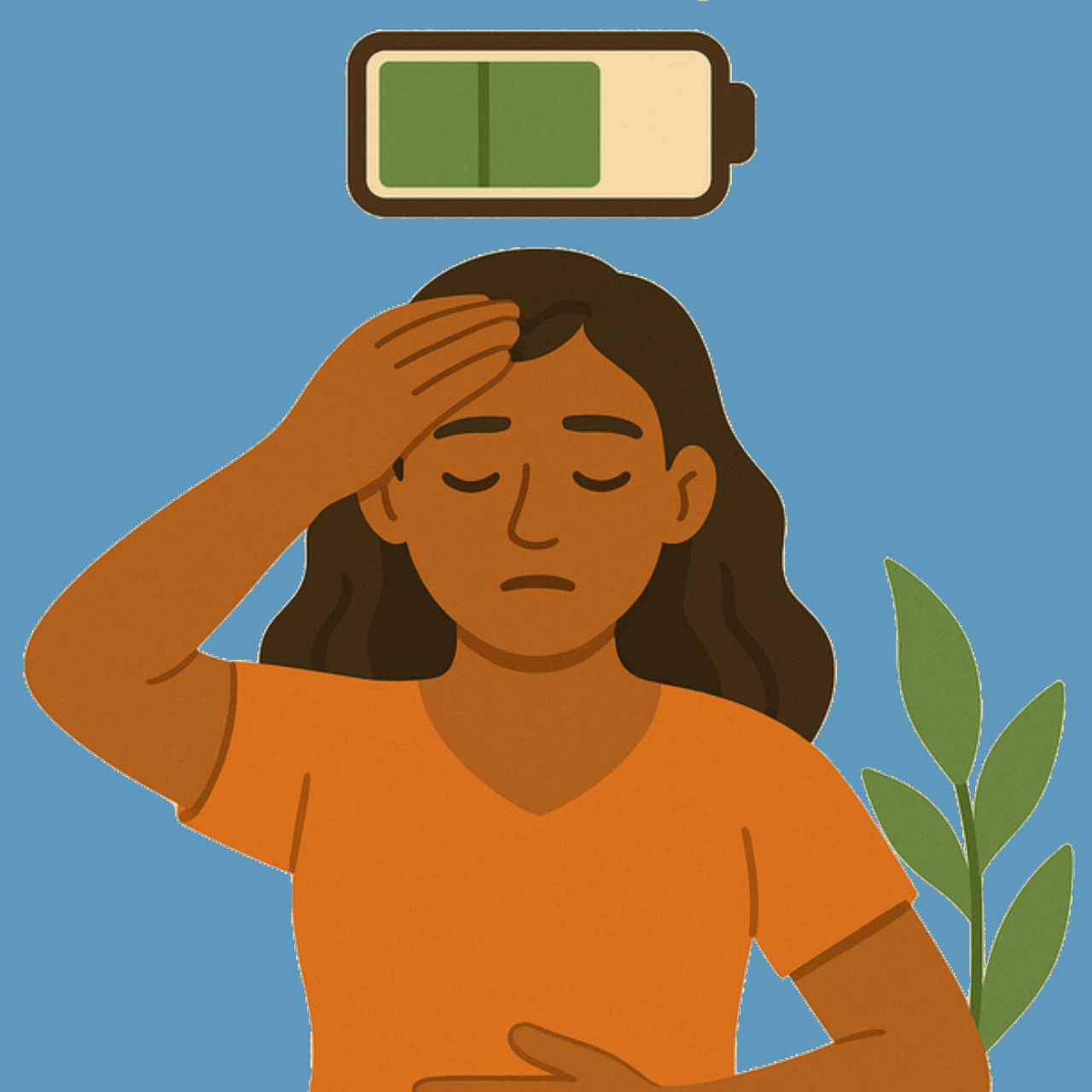
- Feeling tired all the time or low on energy
- Talking about feeling hopeless, worthless or trapped
- Sleeping or eating much more or much less than usual
- Using alcohol or drugs to cope
- Taking more risks than usual, like gambling or being aggressive
- Struggling to keep up with daily life, like school, work or responsibilities
Situations to look out for
- Losing someone close, either through a death or a relationship ending
- Problems at home, like arguments or family breakdown
- Stress about housing, money, school, uni or work
- Bullying, abuse or neglect
- Feeling lonely or isolated
- Struggling with a long-term illness or pain
- Finding the news or current events overwhelming
What to do if you’re worried about your friend
- Tell them you’re worried
This is a gentle way to start a conversation and show you care. - Don’t force it
Try not to pressure them into opening up. It’s okay if someone is not ready. Just let them know you’re there for them. - Offer practical help
Sometimes helping with small things, like going to an appointment with them, driving them somewhere, getting something from the store or just spending time together can be enough. Ask what they need and go from there. - Carry on as normal
Keep acting normal. If you start treating them differently, it might make them feel more isolated. Try to keep it relaxed and natural. You can check-in from time to time, but don’t overdo it.
How to talk to a friend who’s struggling, step-by-step
1. Go somewhere quiet
- Pick a time and place where you won’t be interrupted.
- Going for a walk can also help take some pressure off.
- Avoid doing this in busy or stressful times.
- Give it enough time so neither of you feels rushed
2. Let them choose how much they want to share
- Let them talk at their own pace. They don’t need to open up completely right away.
- Don’t push for details. Just giving space to talk already shows them that you care.
3. Listen carefully
- You don’t have to fix anything, just listen.
- Don’t interrupt them
- Reflect on what they are saying, with sentences like: “It sounds like…”, “So you feel…”
- Don’t diagnose or label them. This might create a feeling of feeling misunderstood or overwhelmed
4. Ask open-ended questions (find more question at conversation starters knop)
- Try a question like: “How have you been feeling lately?” or “How does that feel for you?” Open-ended questions help to keep the conversation going.
- Avoid asking “why” questions. It can create a feeling of having to justify themselves.
5. Ask how you can help
6. Reassure them and show them you care
- Let them know they’re not a burden and that you’re glad they spoke to you.
- Keep inviting them to do things you’d normally do together. Let them feel included.
7. Don’t diagnose them
Want more tips on what to actually say, go to ‘Conversation starters‘
What to do if they won’t accept my help
If you are worried about someone, it can feel frustrating when they don’t want your support. Sometimes a friend is not ready to talk or get help. You can’t force them to open up. You can help them by just being there. Here you can find some ways to help them anyway:
- Let them know where they can find help
- Remind your friend opening up is okay
- Let them know there is no shame in speaking openly about their struggles, with you, a loved one, or a psychologist
- Encourage them to talk to someone else
Maybe you are not the person they want to talk to at that time, and that’s fine. Suggest that they talk to someone else they trust. - Let them know you will be there if they change their mind.
Knowing you will be there whenever they are ready to talk can already make them feel less alone. - Check in on them again later
A simple “how are you?” text once in a while will let them know you’re there.
Look after yourself
It can be difficult to see someone you care about struggle. It’s important to keep taking care of yourself and not get too caught up in it. You can only help someone if you’re doing well yourself. Here are some tips:
- Set boundaries
You don’t have to be available all the time. Take a step back when things are getting too much. Let them know when there are topics that are hard for you to talk about or you need a break. You are not responsible and cannot fix everything. - Share your “carer” role
You can’t do everything on your own. Encourage your friend to talk to other people they trust, like family, other friends or a mental health professional. The more support they have around them, the less pressure there is on you. - Talk to someone
It’s okay to talk to someone about how you’re feeling. You also deserve support. You don’t have to share everything about your friend (especially things you promised to keep private), but focus on your thoughts and emotions. Sometimes it can help to talk to a helpline, like 918 (iets van een knop?, misschien naar recourses). - Make time for yourself
Keep doing things that make you feel good. Looking after yourself, only means you can take better care of others.

Topics