Suicidal thoughts
Try now
- Move away from danger: if there is anything nearby that could make it easier to hurt yourself, move away from it or go to another room.
- Do not stay alone with your thoughts: Sit closer to another person, step outside, go to the living room, or text someone.
- Name what is happening: Say to yourself: “These are suicidal thoughts. I do not have to act on this thought right now”. Realize it is a thought. Having a thought does not mean you have to act on it.
- Slow your breathing: Breathe in for 4 seconds, hold for 2 seconds, breathe out for 6 seconds. Repeat a few times. If holding your breath feels uncomfortable, skip the hold and just breathe out longer than you breathe in.
- Ground yourself: Name 5 things you see, 4 things you feel, 3 things you hear, 2 things you smell, and 1 thing you taste.
What can suicidal thoughts look like?
Suicidal thoughts can be different for different people. Some thoughts are direct, like: “I want to die.” Other thoughts are less direct or more confusing, like:
- “I don’t want to be here anymore.”
- “I wish I could disappear.”
- “Everyone would be better off without me.”
- “I just want everything to stop.”
- “I don’t know how much longer I can do this.”
Not everyone who has suicidal thoughts will say these things, and not everyone who says these things is suicidal.
Some people also notice changes in how they feel or behave, especially when they are:
- Pulling away from people
- Feeling like a burden
- Feeling hopeless, trapped or ashamed
- Not caring what happens to you
- Losing interest in things you normally care about
- Using alcohol, drugs, self-harm or risky behaviour to cope
- Feeling like you have to hide how bad it really is
These signs can have many causes and do not necessarily mean that someone is suicidal.
Suicidal thoughts can happen for many reasons. They may be connected to things like: depression, stress, grief, trauma, bullying, family or relationship problems, loneliness, depression, anxiety, abuse, alcohol or drug use, or feeling trapped and hopeless. Often, it’s several things coming together.
Remember
Suicidal thoughts do not mean your life is over. They mean you need support. You do not have to understand everything before asking for help.
When to talk to someone or get help
Where can I find help?
Call 912 now
if you’re in immediate danger or badly hurt
Call or chat with 918!
You can also call or chat 918 (Mon-Fri 10:00-18:00, Sat 12:00-18:00) anonymously and for free for children, teens and young adults up to 25.
Chat 24/7 with 113
You don’t mind speaking English or Dutch? You can also chat 24/7 with 113.nl for suicide prevention.
Tips
Tips in the moment
- Tell someone early: Suicidal thoughts can feel heavier when you keep them hidden. Message someone, sit near someone, or ask a trusted adult to stay with you for a while.
- Make your space safer: If there is anything nearby that you could use to hurt yourself, move away from it and ask someone you trust to help make your environment safer.
- Change your place: go to another room, step outside, sit in the living room, or go somewhere you are less alone.
- Use a calming skill: Try breathing, grounding, music, walking, showering or writing. (Check out the exercises)
- Put down harmful content: If you are scrolling through content that makes the thoughts stronger, close it. Choose something calmer, safer or more supportive.
Long-term tips
- Make a safety plan: A safety plan is something you make when you feel calmer, so you know what to do when thoughts get stronger again (look at the article below)
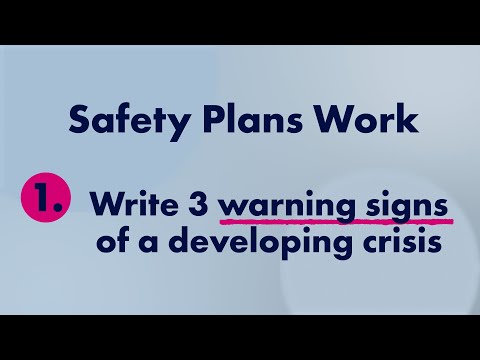
- Know your warning signs: Notice what usually happens before the thoughts get worse. Is it conflict, shame, loneliness, alcohol, scrolling at night, or feeling rejected?
- Choose your support people: Pick 2 or 3 people you could message when things get harder.
- Avoid alcohol and drugs when you feel this way: They can make the thoughts stronger and make it harder to stay in control.
- Get help before it becomes a crisis: You do not have to wait until you are: “suicidal enough”. If the thoughts are there, that is already a good reason to talk to someone.
Exercises
These exercises may help you get through difficult moments. They are not a replacement for professional or emergency support when you are at risk of hurting yourself.
Send a message
Choose one message to send to a trusted person, like:
- “I’ve been having dark thoughts. Can I talk to you?”
- “I’m not planning to hurt myself right now, but my thoughts are scaring me.”
- “Could you check in on me tonight?”
- “I need help staying safe right now” (If it feels more urgent)
Slow breathing
Breath in gently for 4 seconds
Hold for 2 seconds
Breath out slowly for 6 seconds
Repeat 5 times.
If holding your breath feels uncomfortable, skip the hold and just breathe out longer than you breathe in.
5-4-3-2-1 Grounding
Name:
- 5 things you can see
- 4 things you can feel
- 3 things can hear
- 2 things you can smell
- 1 thing you can taste
Say them out loud if you can.
Start your safety plan
Write down:
- One warning sign that tells me my thoughts are getting worse
- One thing that helps me calm down
- One person I can contact
- One place where I am less alone
For a full plan, go to: